Affiliate Disclosure: This article contains affiliate links. We may earn a commission if you make a booking through these links, at no extra cost to you. Note: All travel is subject to frequently changing governmental restrictions—please check government advisories before scheduling trips.
Introduction: The American Riviera
Close your eyes and think of Miami Beach. What do you see?
Likely, it’s a montage of pastel-colored buildings, neon signs reflecting off wet pavement, vintage convertibles, and a turquoise ocean that seems almost too blue to be real. It is a city that feels like a movie set—largely because it has been the backdrop for so many of them, from Goldfinger to Scarface and Miami Vice.
But Miami Beach is more than just a playground for the rich and famous or a spring break destination. It is a miracle of engineering, a living museum of 20th-century architecture, and a cultural melting pot that defies easy categorization.
If you are planning a trip here, it is easy to fall into the “tourist traps”—overpriced drinks on Ocean Drive, hotels that are too loud to sleep in, or staying so far north you need a $40 Uber to get anywhere.
This guide is designed to be your comprehensive companion. We will take a deep dive into the fascinating history that shaped this sandbar, explore the landmarks you actually need to see, and finally, help you navigate the overwhelming number of options to find the best hotels in Miami Beach that match your personal style and budget.
Part 1: A Sandbar Built on Dreams (The History of Miami Beach)
To truly appreciate the hotel you are staying in, you have to understand that a little over a century ago, Miami Beach didn’t exist. Well, it did, but it was an uninhabitable mangrove swamp infested with mosquitoes and crocodiles.
The Visionary: Carl Fisher
In the early 1900s, this strip of land was a failed coconut plantation. Enter Carl Fisher, a millionaire entrepreneur who had made his fortune with automobile headlights (Presto-O-Lite) and the Indianapolis Motor Speedway. Where others saw a swamp, Fisher saw the “American Riviera.”
In a massive engineering feat starting in 1913, workers dredged the bay, pumping sand onto the mangroves to create solid ground. Fisher cleared the jungle, built the first bridge (the Collins Bridge) connecting the beach to the mainland, and built grand hotels like The Flamingo (now gone) to lure wealthy industrialists from the freezing north. By the 1920s, the “Winter Playground” was born.
The Art Deco Boom (1920s-1940s)
The Great Depression could have killed Miami Beach, but instead, it gave birth to its most iconic feature. Architects began building smaller, more affordable hotels designed to lift people’s spirits.
They used a style that was modern, streamlined, and futuristic. This was Art Deco.
- The Look: Think “Rule of Three” (facades divided into three sections), eyebrows (cantilevered window shades), porthole windows (nautical themes), and terrazzo floors.
- The Vibe: It was optimism in concrete form. These buildings weren’t just hotels; they were promises of a better, modern future.
The Dark Ages and the “Cocaine Cowboys”
It’s hard to imagine now, but by the 1970s and early 80s, South Beach was a decaying slum. The gorgeous Art Deco hotels were crumbling retirement homes for the elderly living on small pensions. Crime was rampant. The “Paradise Lost” narrative was cemented by the 1980 Mariel boatlift and the violent drug wars depicted in the documentary Cocaine Cowboys.
The Renaissance
The turning point came from an unlikely duo: Preservationists and Fashion Designers. Barbara Capitman founded the Miami Design Preservation League in 1976 to save the Deco buildings from demolition. Then, in the 90s, Gianni Versace bought a mansion on Ocean Drive, and fashion photographers realized the crumbling pastel buildings made the perfect backdrop for Vogue.
Suddenly, Miami Beach was cool again. The old hotels were renovated into chic boutiques, and the city became the global icon it is today.
Why this matters to you: When you book a hotel in the Historic District, you aren’t just booking a room. You are staying in a building that survived hurricanes, economic collapse, and demolition threats to become a piece of living history.
Part 2: Landmarks You Can’t Miss
Before we talk about where to sleep, here is where you should explore.
1. The Art Deco Historic District
Located between 5th Street and 23rd Street, this area contains the largest concentration of Art Deco architecture in the world (over 800 buildings).
- Tip: Visit the Art Deco Welcome Center on Ocean Drive for a walking tour. It’s the best way to understand the “nautical modern” style.
2. Ocean Drive
Yes, it is touristy. Yes, the drinks are expensive. But you have to walk it at least once, preferably at night. The neon lights of the Colony Hotel, The Breakwater, and The Beacon are mesmerizing.
- Stop: The Versace Mansion (Casa Casuarina) at 1116 Ocean Drive. It’s the spot where the fashion mogul lived and died. Tourists stop to take photos of the steps daily.
3. Lincoln Road Mall
Designed by Morris Lapidus in the 1950s, this is an open-air pedestrian mall. It’s great for people-watching, dining al fresco, and shopping. It’s less chaotic than Ocean Drive and offers a mix of high-end retail and local boutiques.
4. South Pointe Park
If you want to escape the noise, head to the southernmost tip of the island. South Pointe Park offers stunning views of the skyline, the cruise ships leaving the port, and the sunset. It is clean, modern, and very local.
5. Española Way
A tiny slice of Europe in Florida. Built in the 1920s to resemble a Mediterranean village, this pedestrian-only street is lined with pink stucco buildings, hanging lights, and fantastic Spanish and Italian restaurants. It feels romantic and completely different from the Art Deco strip.
Part 3: Where to Stay? Decoding the Neighborhoods
Miami Beach is long. Choosing the wrong block can drastically change your experience.
South Beach (SoBe): The Heartbeat
- Location: 1st St to 23rd St.
- The Vibe: High energy, parties, nightlife, historic architecture.
- Who is it for? If you want to walk to the beach, the clubs, and the restaurants. If you don’t mind noise and want to be in the center of the action.
Mid-Beach: The Glamorous Escape
- Location: 23rd St to 63rd St.
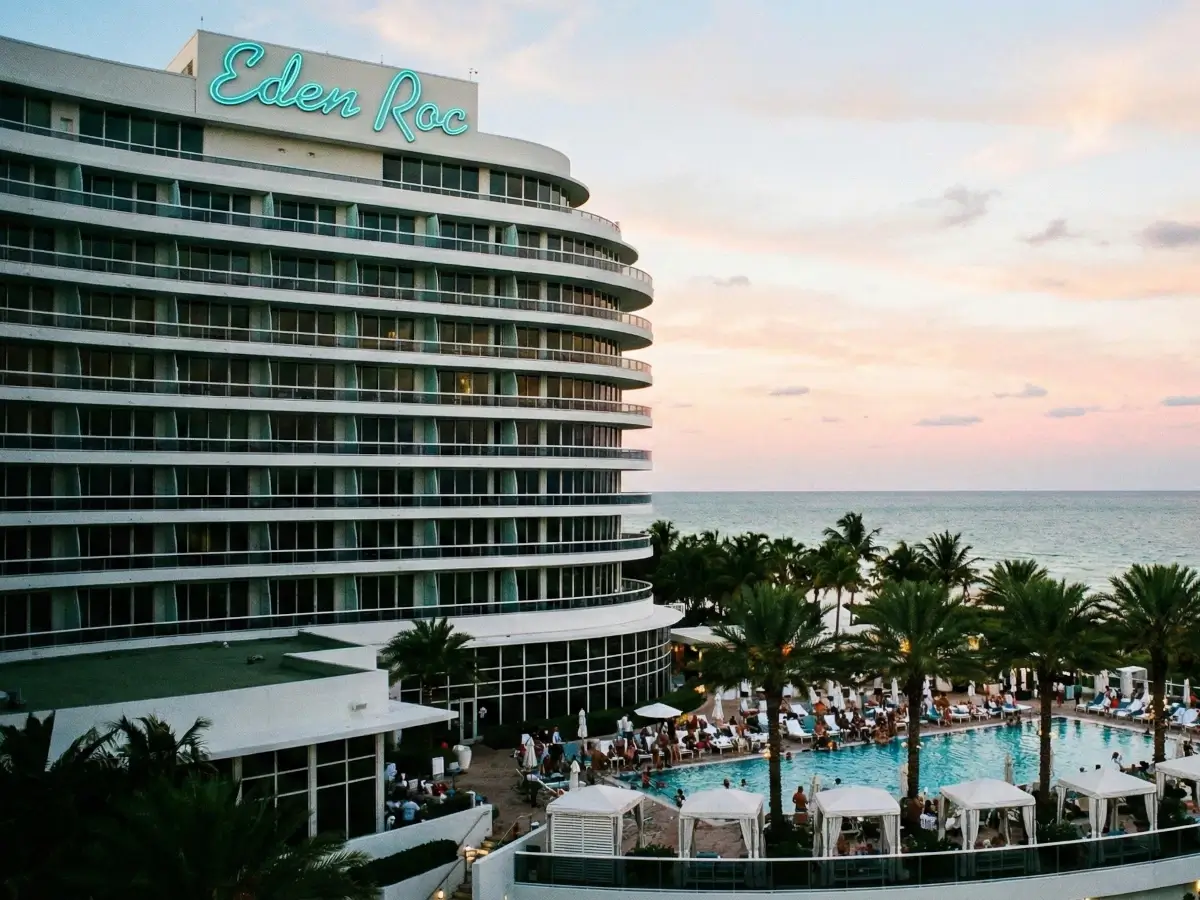
- The Vibe: Sophisticated, cooler, and slightly more exclusive. This is home to the massive resort-style hotels (like the Fontainebleau and Eden Roc).
- Who is it for? Couples, families, and luxury travelers who want a resort experience with a fantastic pool scene but want to avoid the college crowds of South Beach.
North Beach: The Local Secret
- Location: 63rd St and up.
- The Vibe: Quiet, residential, relaxed.
- Who is it for? Travelers on a budget or those who want a calm beach experience. You will find “MiMo” (Miami Modern) architecture here and great Argentinian food, but you will need an Uber/Trolley to get to the South Beach parties.
Part 4: The Ultimate Hotel Guide (WIIFM Edition)
This is why you are here. We have analyzed the options on Hotels.com® to bring you recommendations based on your travel style.
(Note: Prices fluctuate wildly based on season. Always check the link for current rates.)
🏛️ For the History Buffs (The Art Deco Experience)
You want to feel like you stepped into a 1930s postcard. You want terrazzo floors and neon signs.
- What to expect: Be aware that historical preservation laws mean the rooms in these hotels are often smaller (people didn’t bring massive suitcases in 1935). However, the charm is unbeatable.
- Recommendation: Look for hotels directly on Ocean Drive or Collins Avenue in the low teens (streets 10-15). Many have been beautifully renovated to keep the vintage shell but offer modern AC and plumbing.
- Why book here? You are paying for the atmosphere. Stepping out of your lobby directly onto the most famous street in America is a unique thrill.
💎 For the “Instagram” Traveler (Modern Luxury)
You want an infinity pool, a rooftop bar, and white-glove service.
- What to expect: High resort fees (often $40-50/night), but they usually cover beach chairs, towels, and sometimes bike rentals.
- Recommendation: Focus on Mid-Beach. The hotels here occupy larger plots of land, meaning bigger pools and private beach access. This is where the famous “Morris Lapidus” curved hotels are located.
- Why book here? If your goal is to lie by a pool with a cocktail in hand and never leave the property, Mid-Beach is your sanctuary.
🎒 For the Budget Conscious (Yes, it exists)
Miami is expensive, but you don’t have to go broke.
- What to expect: You might be a few blocks from the beach (a 5-10 minute walk).
- Recommendation: Look for “Boutique Hotels” or converted hostels around Washington Avenue or Pennsylvania Avenue. Also, consider North Beach. The “MiMo” district in North Beach has renovated motels that are stylish, retro, and significantly cheaper than South Beach.
- Why book here? You save 40-50% on the room rate, which leaves you more money for exploring the Everglades or dining at Joe’s Stone Crab.
Part 5: Practical Survival Tips for 2025
1. The “Resort Fee” Reality Almost every hotel in Miami Beach charges a mandatory “Resort Fee” or “Destination Fee” collected at check-in. It is rarely included in the prepaid price.
- When comparing prices on Hotels.com®, always look at the “Total price” or read the fine print about fees so you aren’t surprised at the front desk.
2. Skip the Rental Car If you are staying in South Beach, a car is a liability. Valet parking can cost $45-$60 per night.
- Save that money. Take an Uber from the airport (MIA) for ~$35. Once in South Beach, walk, rent a CitiBike, or take the free Miami Beach Trolley. Only rent a car for a day if you plan to drive to Key West.
3. The Seasonality Factor
- High Season (Nov-April): Perfect weather (75°F/24°C), high prices, crowded.
- Shoulder Season (May-June): Getting hotter, better prices.
- Hurricane/Low Season (July-Oct): Very hot, very humid, daily thunderstorms. However, hotel prices can drop by 50%. If you don’t mind the heat, it’s a bargain hunter’s dream.
4. Dining: Watch the “Service Charge” Most restaurants in South Beach automatically add an 18-20% service charge (gratuity) to the bill.
- Check your bill before you tip! Many tourists accidentally tip twice.
Conclusion: Your Miami Story Starts Here
Miami Beach is a city of layers. You can stay on the surface—sunbathing and partying—and have a great time. But if you peel back the layers, look up at the neon geometry of the buildings, and understand the history of the sand under your feet, your trip becomes something special.
It is a place where the past and future dance the salsa together. Whether you are looking for a romantic Art Deco suite, a family-friendly resort, or a solo adventure, this island has a room with your name on it.
Don’t let the overwhelming number of choices stop you. The ocean is calling.
👇 Ready to book your stay in the American Riviera? Explore the interactive map, check real-time availability, and find the best deals for your dates below.
👇 Find Your Perfect Miami Beach Hotel
Check Availability in Miami Beach 🌴Enjoy the sun and the history! ☀️
Hotels.com compensates authors for their writings appearing on this site; such compensation may include travel and other costs. HOTELS.COM is a trademark or registered trademark of Expedia, Inc.
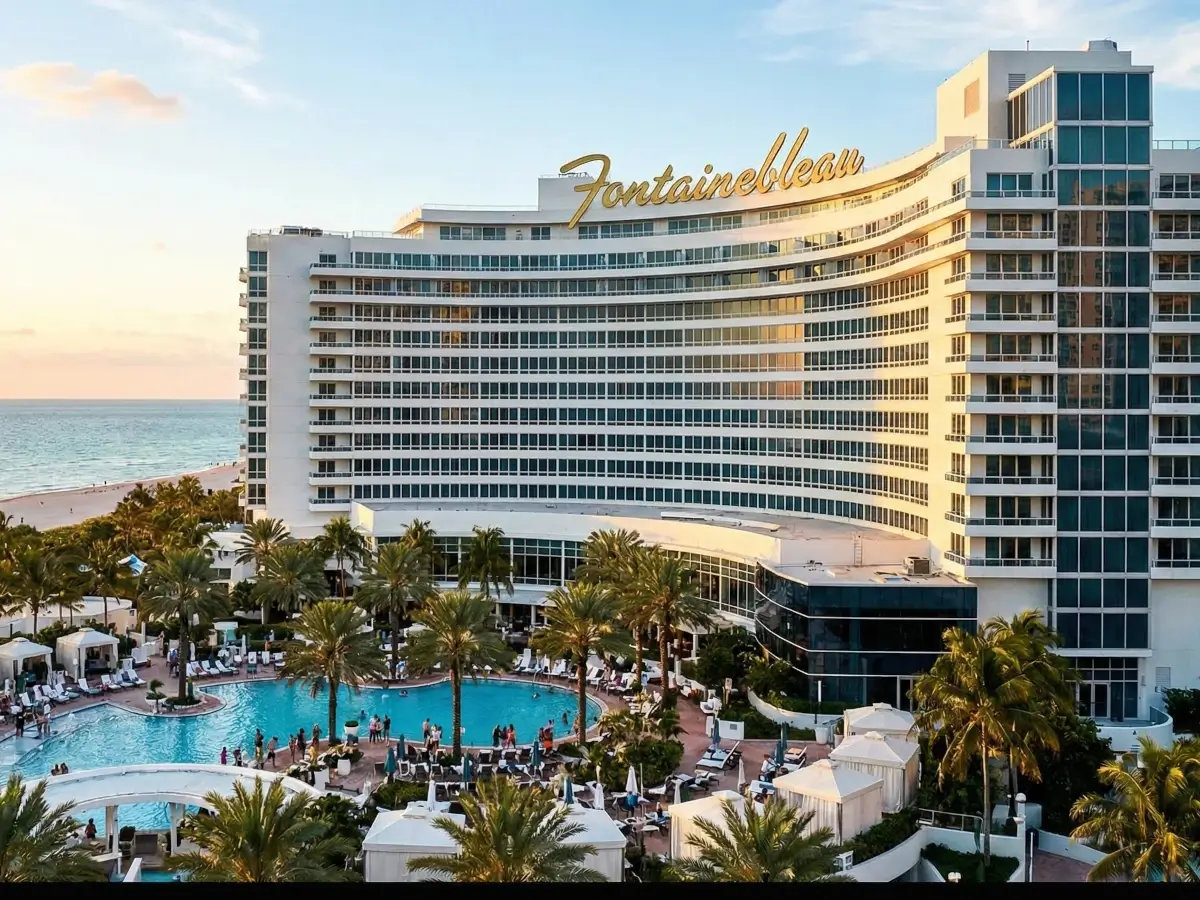
Fontainebleau Miami Beach Review
Nightlife VibeSummary
Staying here is a bucket-list experience. It is a city within a city. If you want action, celebrity sightings, and the most famous pool scene in Florida, this is the place. Perfect for groups and nightlife lovers.
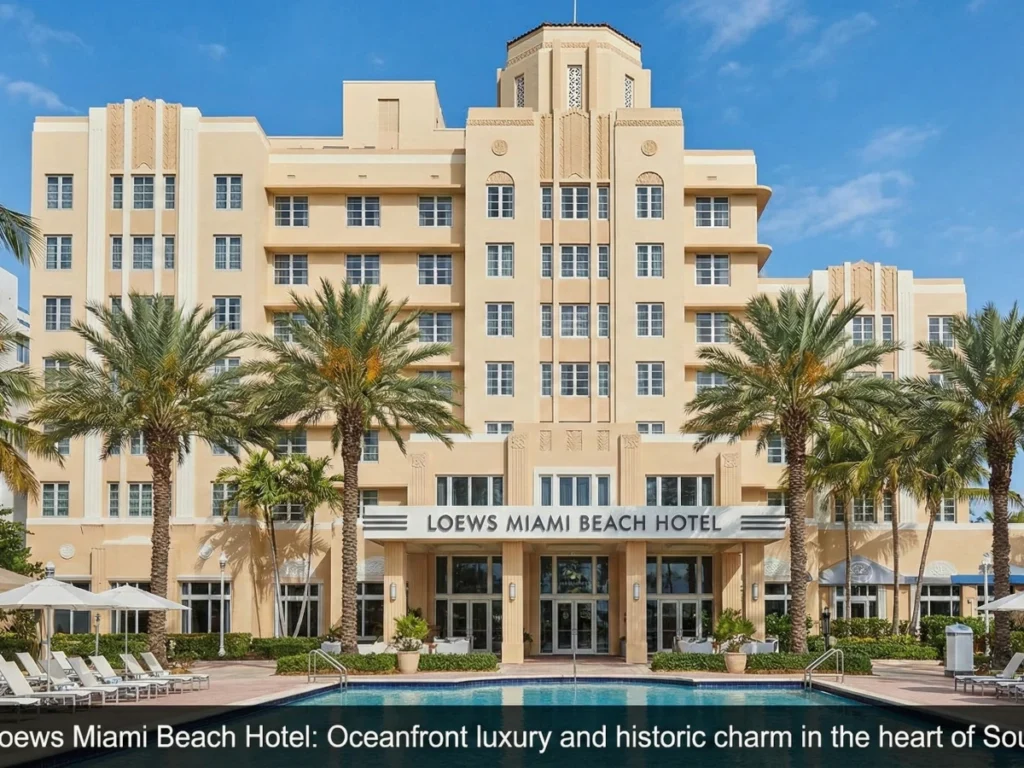
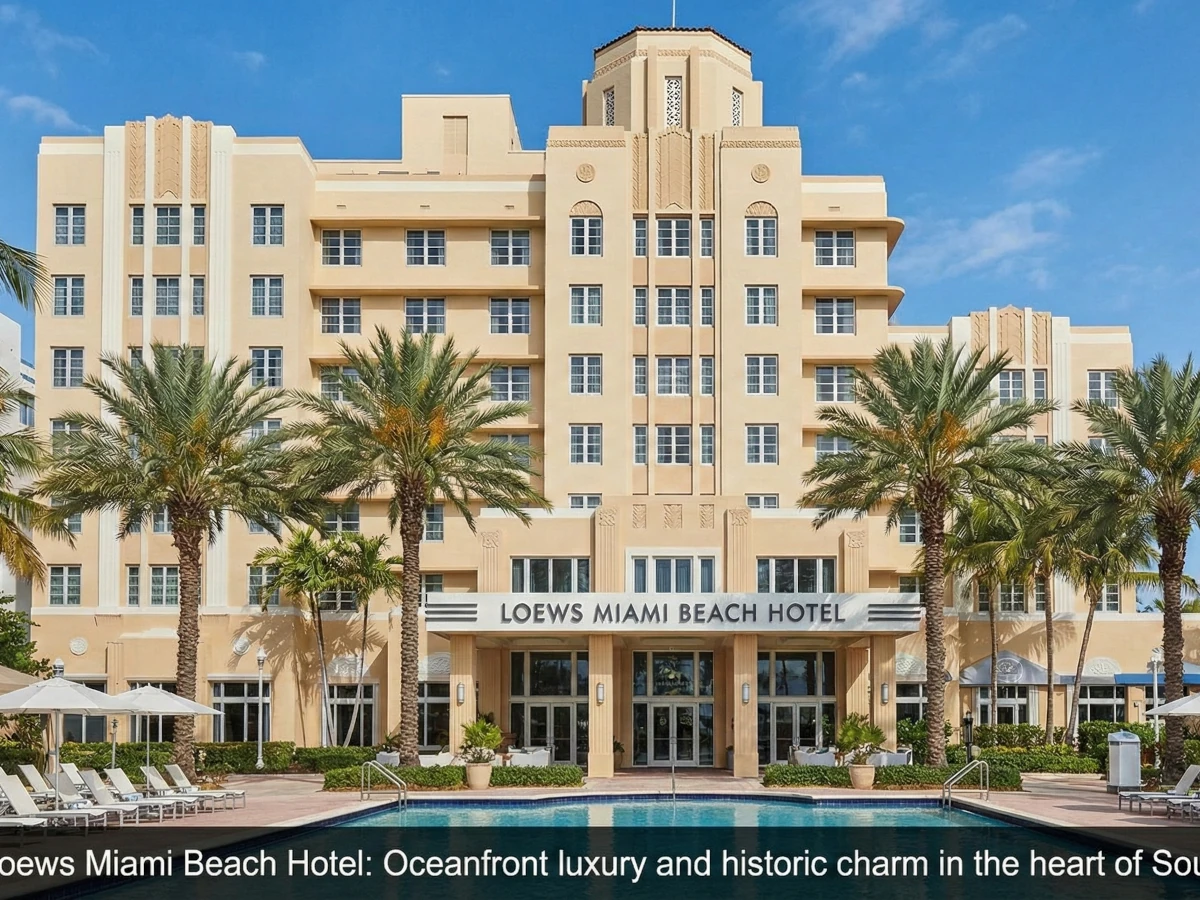
Loews Miami Beach Review
Summary
The gold standard for South Beach luxury without the chaos. Unbeatable location steps from Ocean Drive but feels like a private oasis. It consistently holds the highest guest ratings in the area.
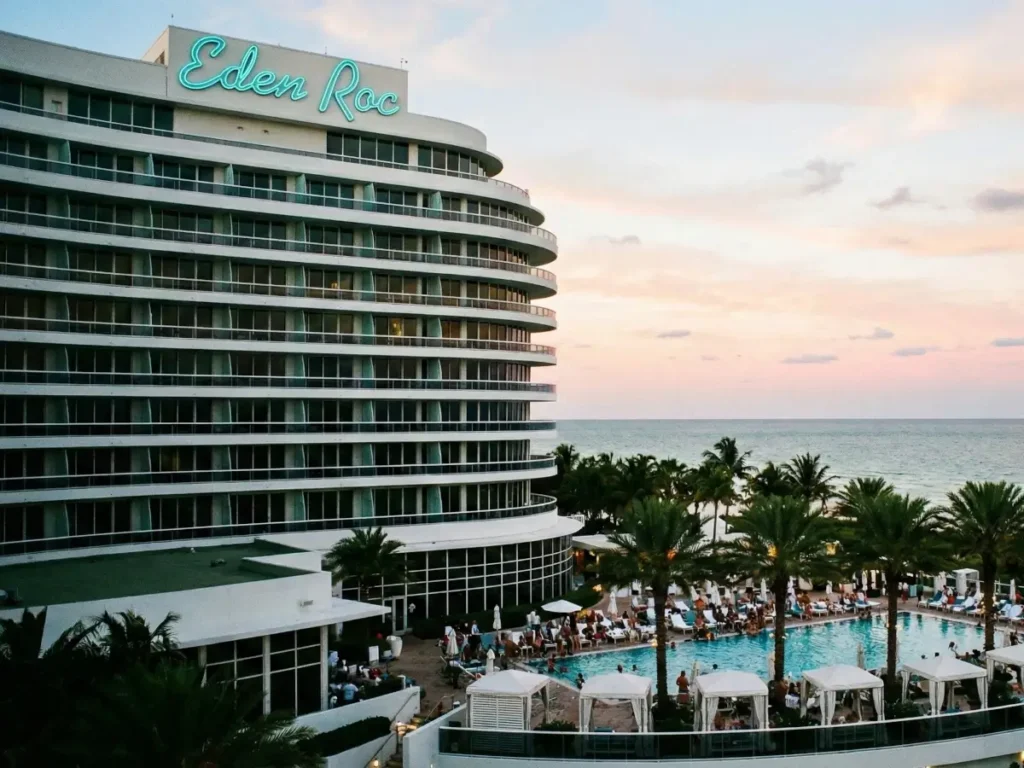
Eden Roc Miami Beach Review
Summary
Offers the same stunning views as its neighbor (Fontainebleau) but with a chilled-out vibe. The Esencia Wellness Spa is incredible. The smarter choice for luxury without the intense crowds.
Bądź na bieżąco!
Zapisz się, aby nie przegapić nowości na Review Space.
Join Our Newsletter
No spam. Unsubscribe anytime.